
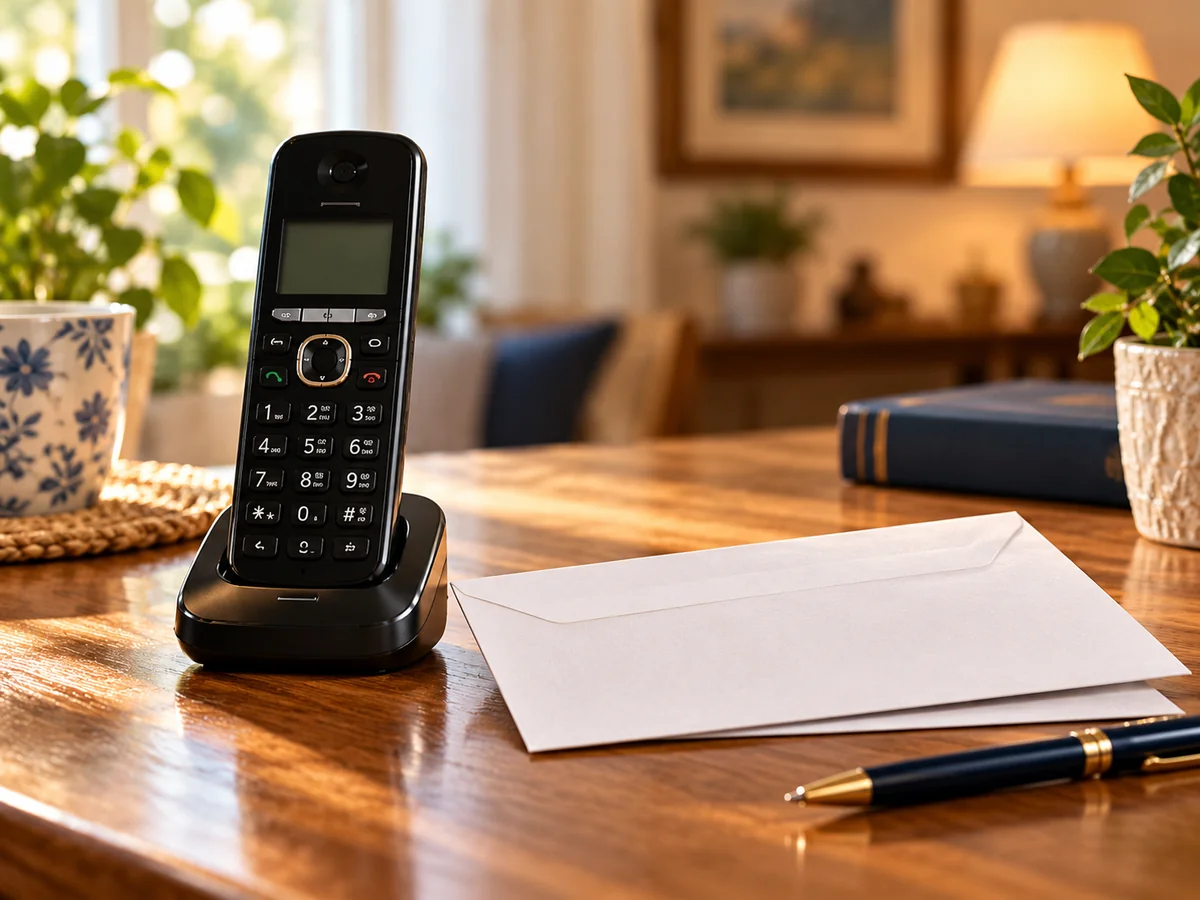
The phone rings. A calm, official-sounding voice tells you your Social Security number has been “suspended” because of suspicious activity, or that your benefits are about to be cut off, unless you act right now. It sounds urgent. It is designed to sound urgent. It is also completely fake, and it happens to thousands of retirees every single day.
Here is the one fact that makes almost every version of this scam fall apart: the Social Security Administration will never call to threaten, scare, or pressure you into immediate action. Knowing that single sentence protects you better than any app or call blocker.
What These Calls Actually Sound Like
Scammers running Social Security schemes tend to lean on a small handful of scripts. Real reports collected by the SSA’s own Office of the Inspector General describe the same patterns again and again:
The “your number is suspended” call. A caller claims your Social Security number has been linked to a crime, often money laundering or drug trafficking, and that it will be “suspended” unless you confirm your number, date of birth, or bank details right now.
The “your benefits are increasing” call. A friendlier version of the same scam. The caller says you qualify for a benefits increase or a one-time payment, but they need to “verify” your Social Security number and banking information first.
The “pay a fee to keep your benefits” call. You are told a fee, fine, or back payment is owed, and that it must be paid immediately by gift card, wire transfer, or cryptocurrency or your benefits will stop.
The fake badge or caller ID. Some scammers go further and email or text a photo of a fabricated federal badge or ID number, or spoof caller ID so the call appears to come from a real SSA phone number.
Ask Yourself This Before You Respond
If a call, text, or email about your Social Security number makes you feel afraid or rushed, stop and ask: Would the real Social Security Administration ever ask me to do this over the phone? The honest answer is no. The SSA will never:
- Threaten to suspend your Social Security number
- Demand payment by gift card, wire transfer, cryptocurrency, or cash
- Ask you to “verify” your full Social Security number over an unexpected call
- Require an immediate decision with no time to check first
Real SSA business is conducted through mailed letters, and any legitimate follow-up call happens because you contacted them first, not the other way around.
How to Stop the Calls
You cannot fully stop scam calls from reaching your phone, since scammers fake caller ID and rotate numbers constantly, but you can make yourself a harder target:
- Do not engage. Hang up. You do not owe a scammer politeness or an explanation.
- Never confirm personal details to an unexpected caller, even just to “prove” they have the wrong person. Confirming your name or birthdate is often all a scammer needs.
- Call the SSA back yourself, using the number on your own Social Security card or statement, never a number the caller gives you.
- Register with the Do Not Call list at donotcall.gov. It will not stop scammers, who ignore the law anyway, but it does cut down on legitimate telemarketing noise so scam calls stand out more clearly.
Where to Report It
Reporting a scam call takes a few minutes and helps investigators track patterns, even if it feels like nothing will come of any single report:
- Social Security Fraud Hotline: 1-800-269-0271, or report online at oig.ssa.gov/report
- Federal Trade Commission: reportfraud.ftc.gov
If You Already Shared Information
If you gave a caller your Social Security number, bank details, or made a payment, you have not done anything foolish, these scripts are built by professionals to be convincing. Take these steps right away:
- Contact your bank or card issuer immediately if you shared financial information or sent money
- Report the incident to the SSA fraud hotline above
- Consider placing a fraud alert or credit freeze with the three credit bureaus if your Social Security number was shared
- Watch your bank and benefit statements closely for the following months
If you would like a printable reference for this and five other common retirement scams, the free Retirement Scam Checklist covers the warning signs side by side.
This article is educational only and is not legal, financial, or law-enforcement advice. If you believe you are the victim of fraud, contact the agencies listed above or your local law enforcement directly.

The Golden Age Truth Team publishes plain-language guides to help older adults and their families recognize scams targeting retirement savings. We cover warning signs, common tactics, and practical steps readers can take to protect their money and personal information.